Shark Photo-Identification: A How-To Guide (2021 Edition)
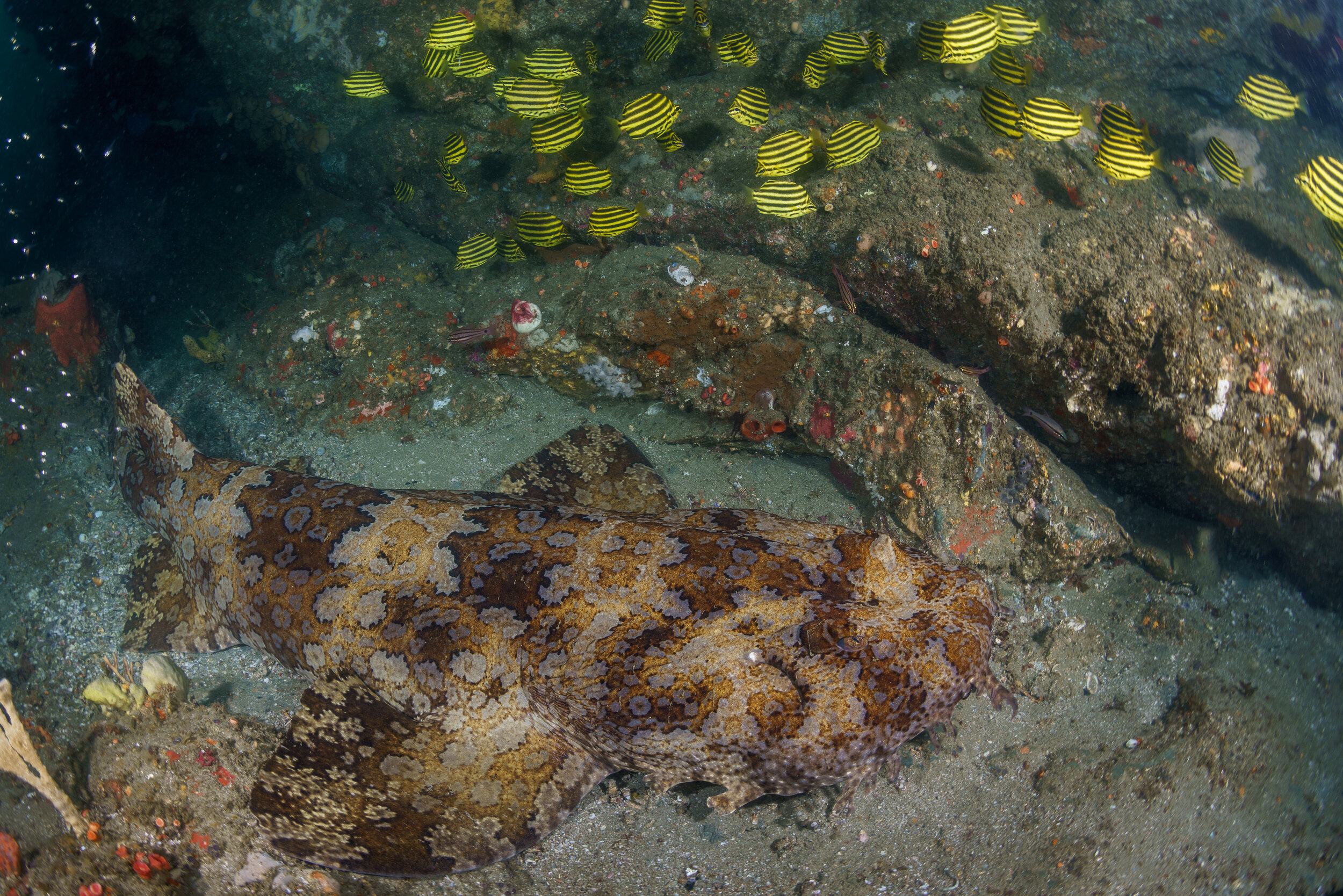
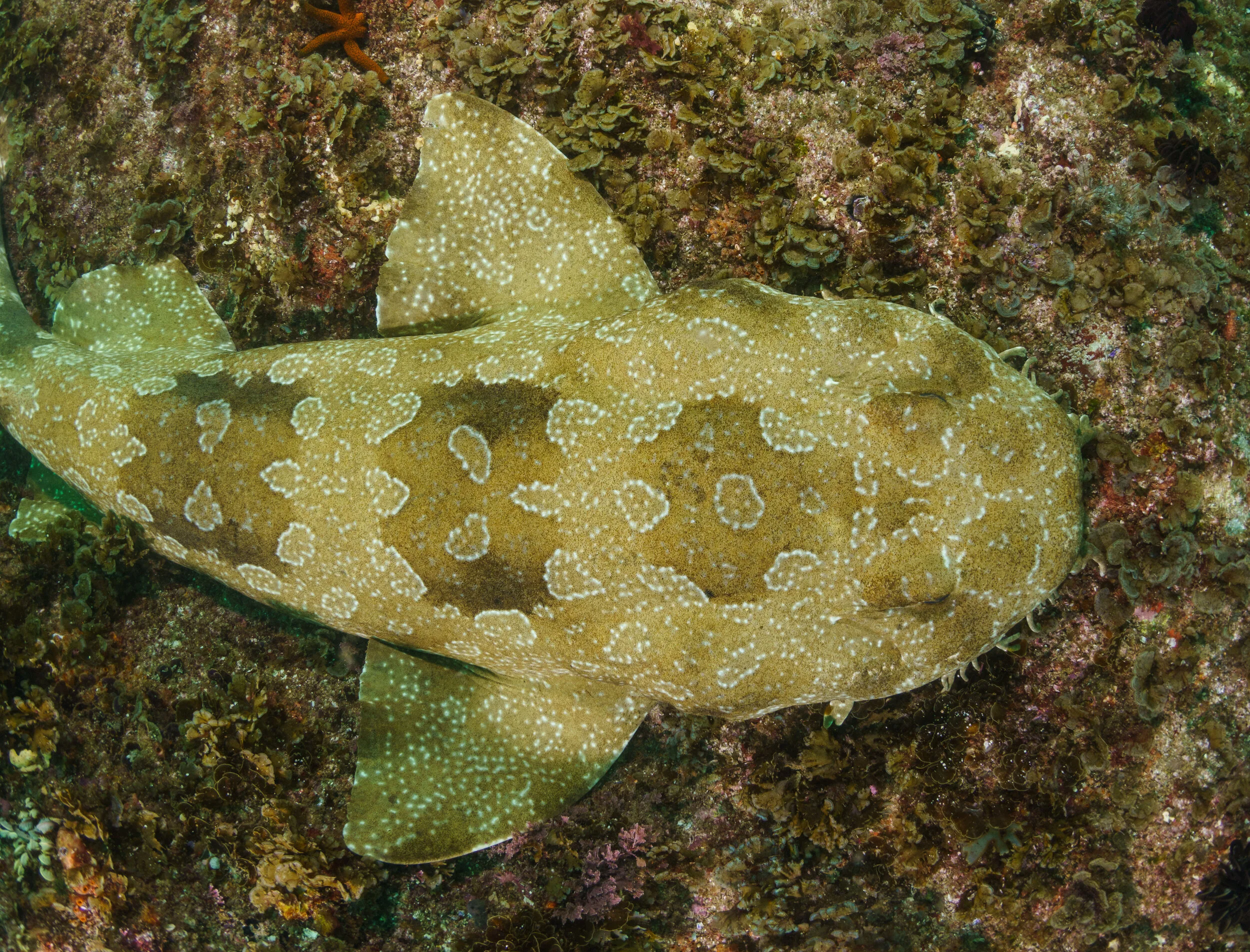
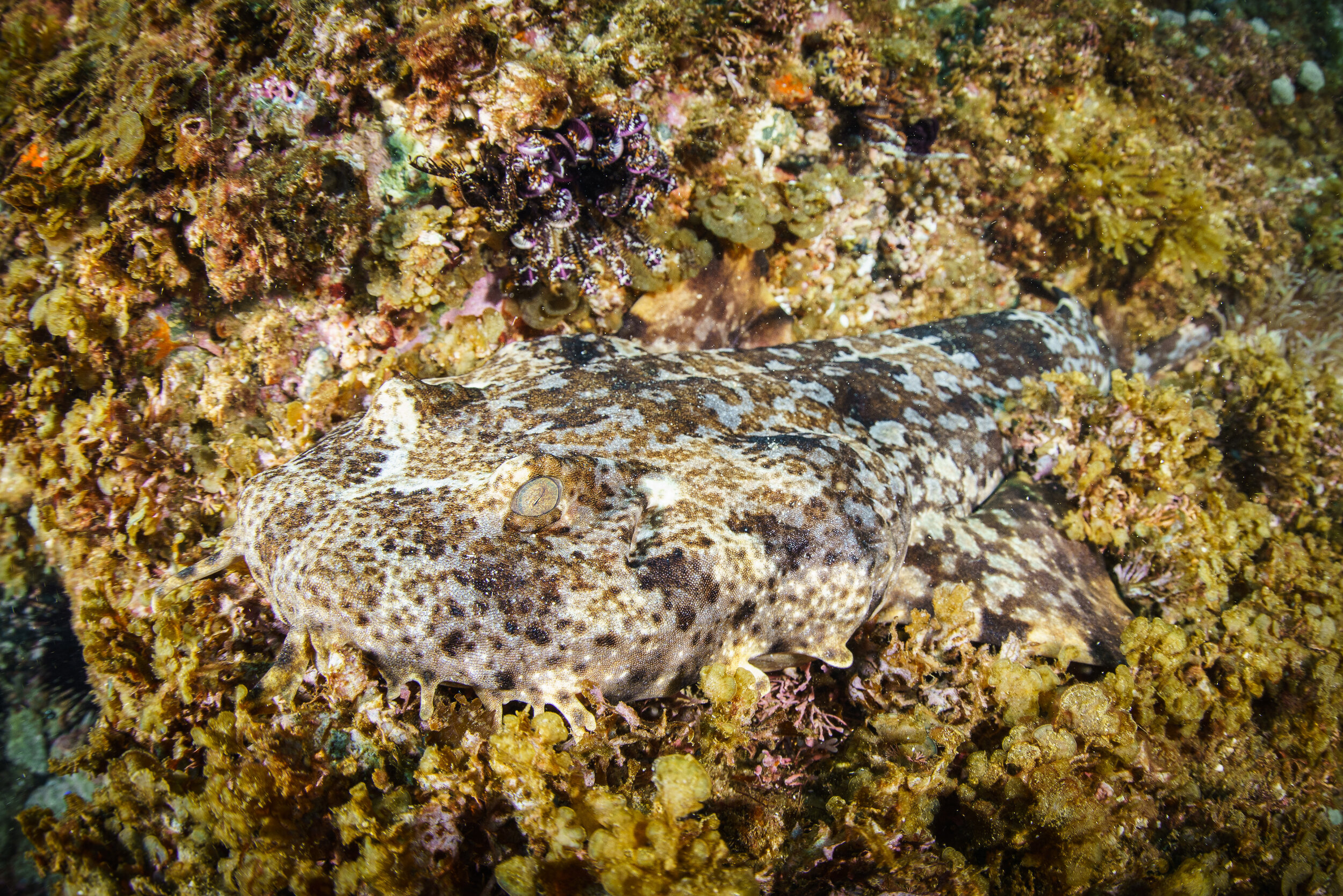
Banded wobbegong at Julian Rocks
This article documents my photo-identification research on wobbegong shark populations at Julian Rocks, Byron Bay, Australia, conducted as a collaborative project between Sundive Research and the Marine Megafauna Foundation.
Can We Photo-Identify These Sharks?
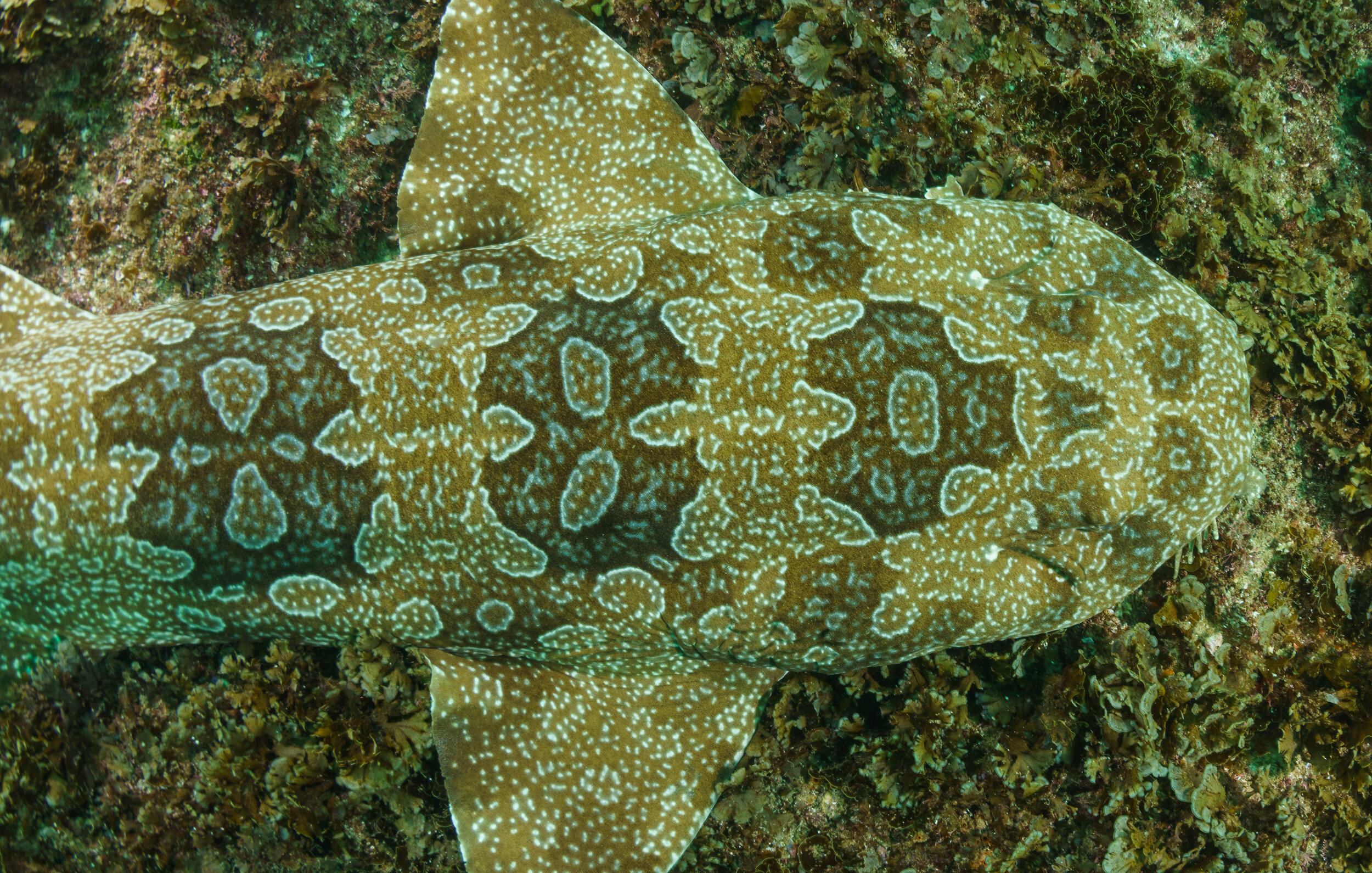
Two fundamental requirements exist for photo-ID work: “Individual sharks can be reliably distinguished from one another” and sharks can be “re-identified over the duration of the study.” The three species studied—spotted, banded, and ornate wobbegongs—possess intricate color patterns suitable for identification.
 Banded wobbegong at Julian Rocks
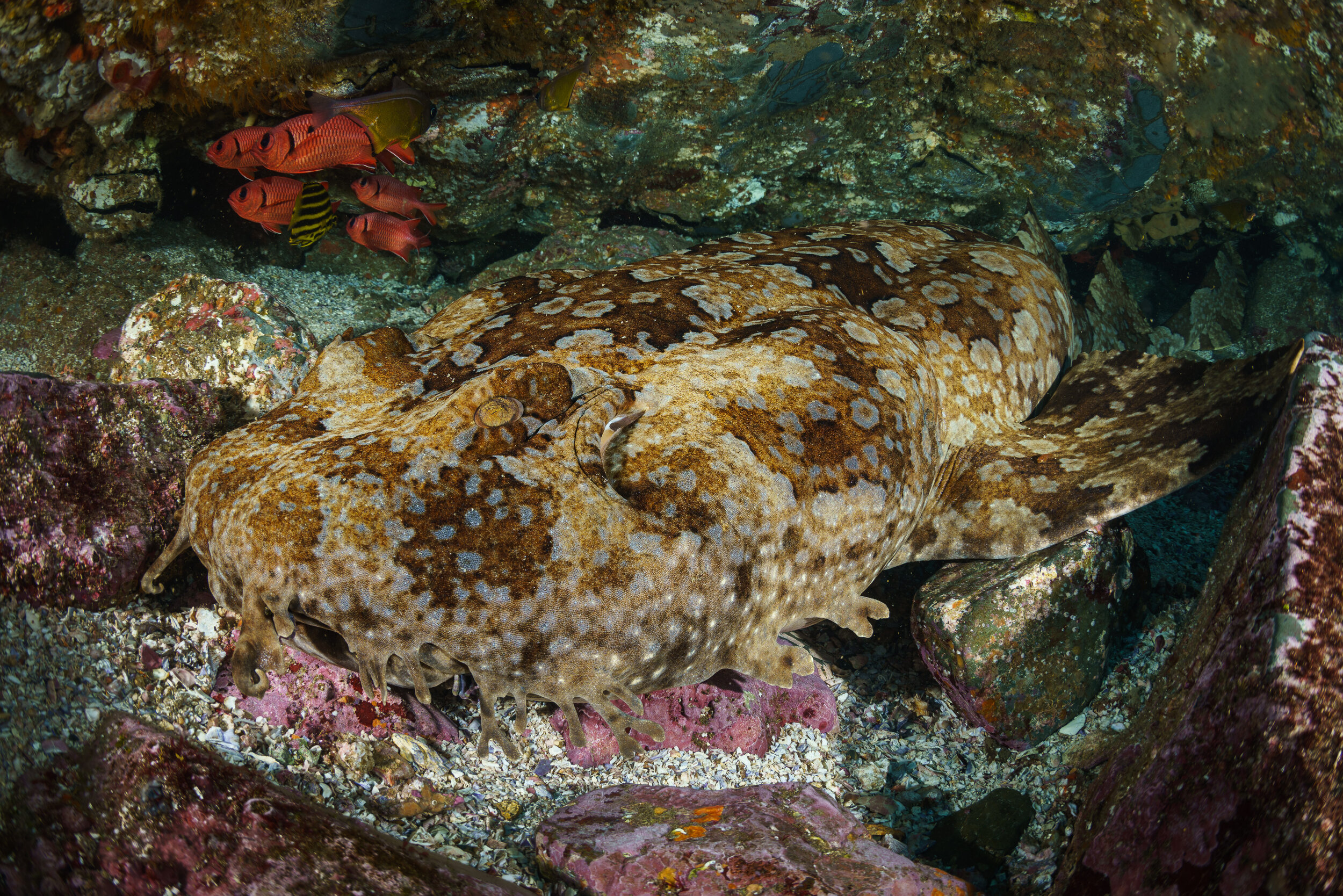
 Ornate wobbegong
What Area is Suitable as a ‘Fingerprint’?
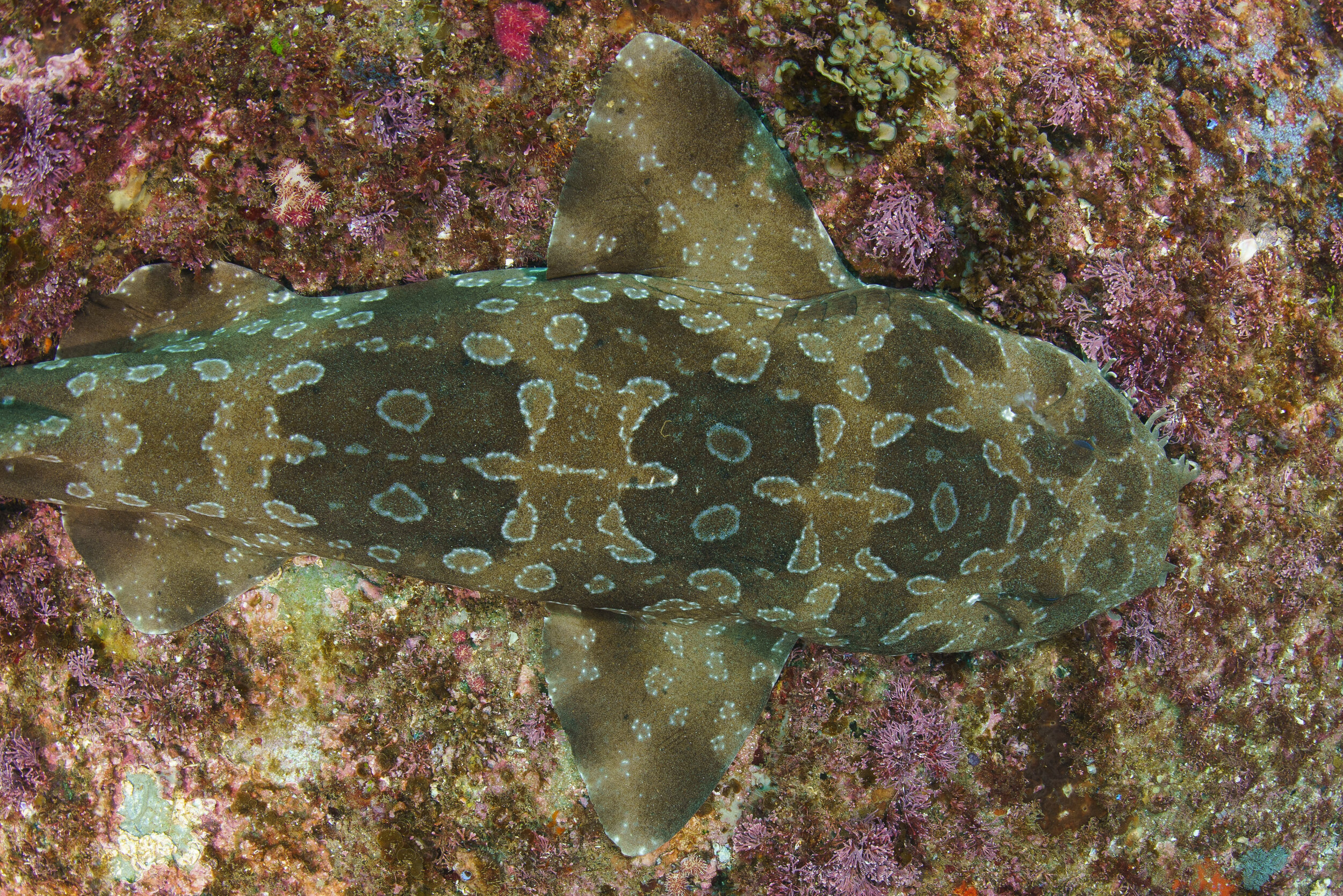
I photograph the upper body surface forward of the dorsal fin as the identification “fingerprint.” Wobbegongs “often lie where they are part-obscured by rocks,” requiring clear protocols for adding new individuals.
Can We Re-Identify Sharks Over Time?
This is a key question that requires long-term study.
Automating the Photo-ID Process
I reference Wild Me’s computer science advances and note the need to “train a machine-learning algorithm to recognise a wobbegong” using approximately 2,000 annotated photos from varying orientations and distances.
I’ve been in discussion with the Wild Me team about adding wobbegongs to a Wildbook.
Enlisting Citizen Scientists
For data collection, I enlisted citizen scientists through five sources:
- Sundive staff and divers
- Facebook friends
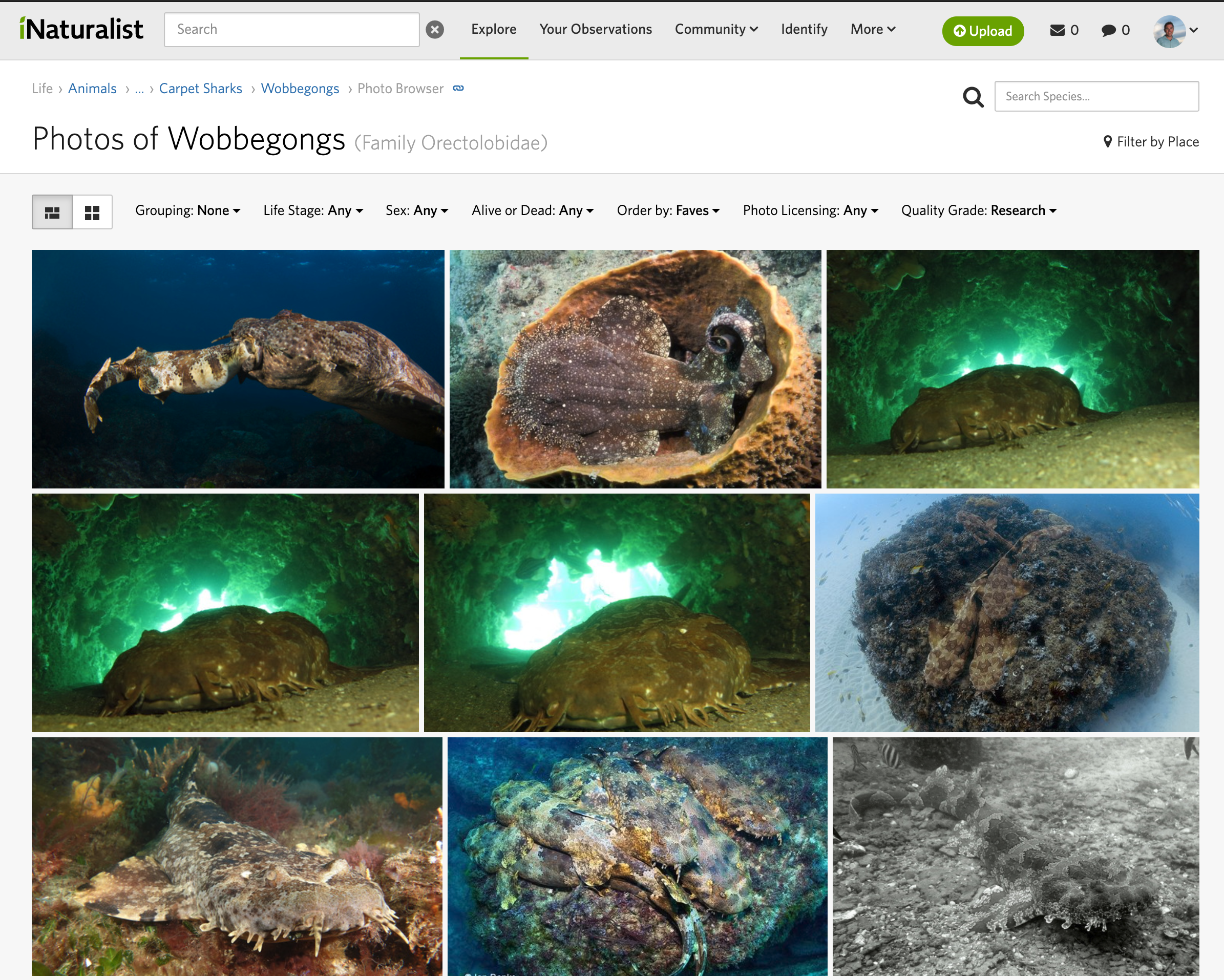
- iNaturalist platform – check out the wobbegong photos on iNaturalist
- Instagram hashtag searches
- Flickr image database
I had compiled approximately 1,000 photos by this article’s writing.
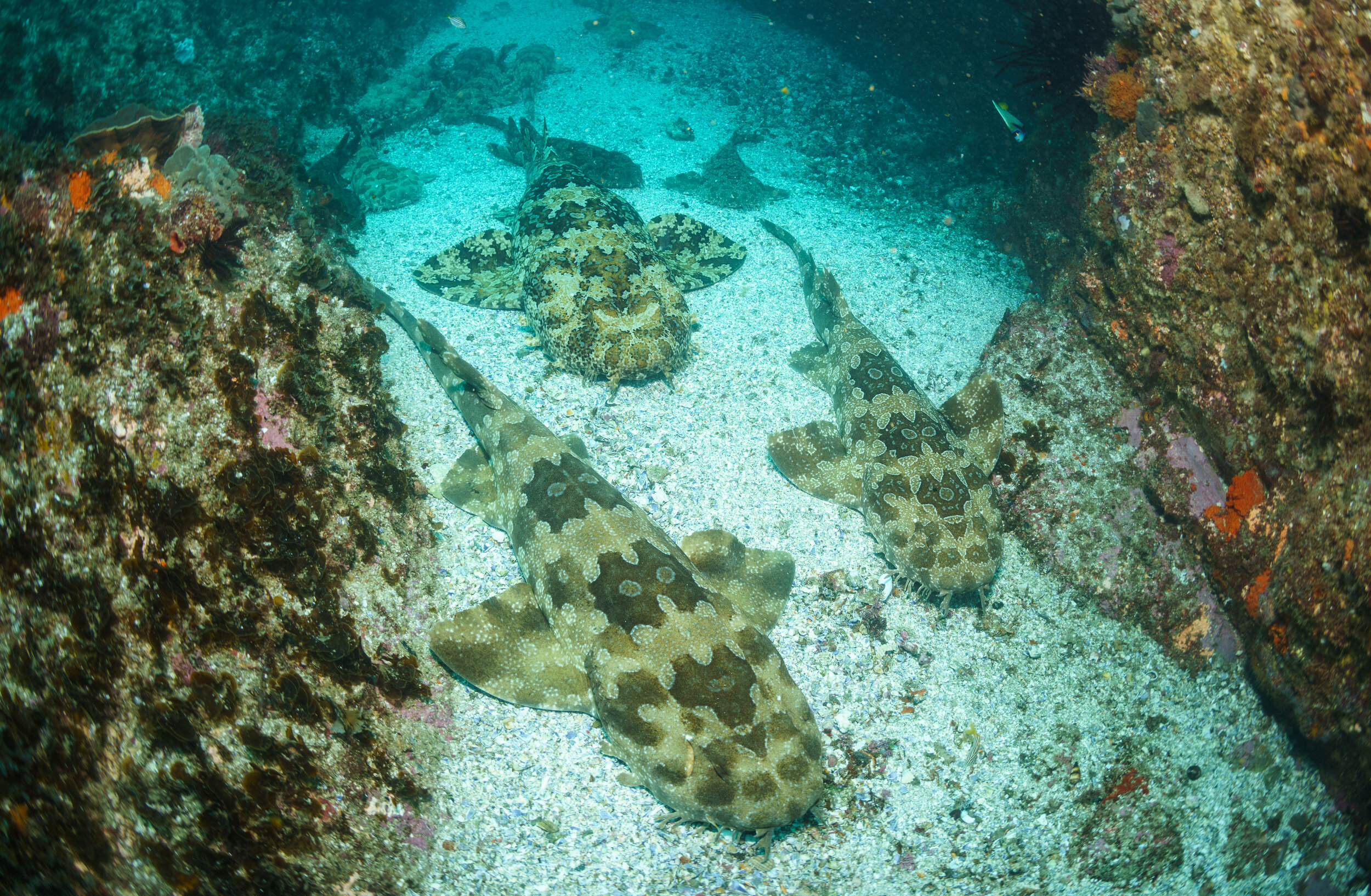
Lotsa rugs at Byron
For underwater photography tips, see my article on underwater wide-angle photography.