Some Thoughts on Marine Wildlife Tourism
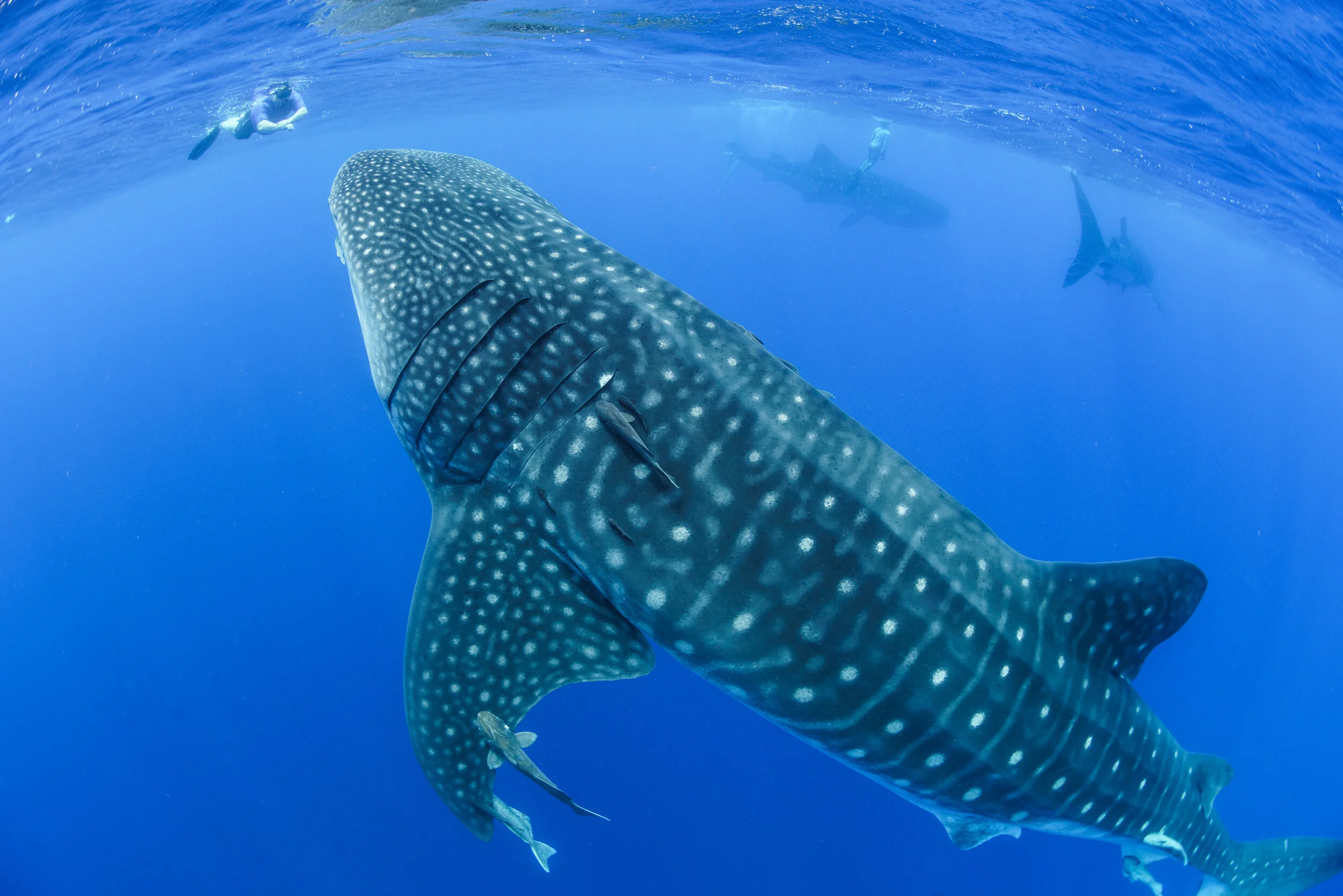
Ethical whale shark tourism at St Helena Island
I was invited to share perspectives on responsible marine wildlife tourism for a Condé Nast Traveler article titled “How to Responsibly Interact with Marine Life.”
Background
I identify as a marine conservation biologist specializing in sharks and rays, with research focused on whale sharks since 2005. I have developed ecotourism initiatives supporting research and conservation, hosting trips for swimming, diving, and education about whale sharks in conservation work areas.
Marine Life and Human Coexistence
Sustainable tourism supports “protection efforts, while creating good jobs” in developing regions where endangered ocean wildlife and conservation areas concentrate. “Conservation efforts work best if the affected communities actively support and lead the work.”
Tourism’s Negative Impacts
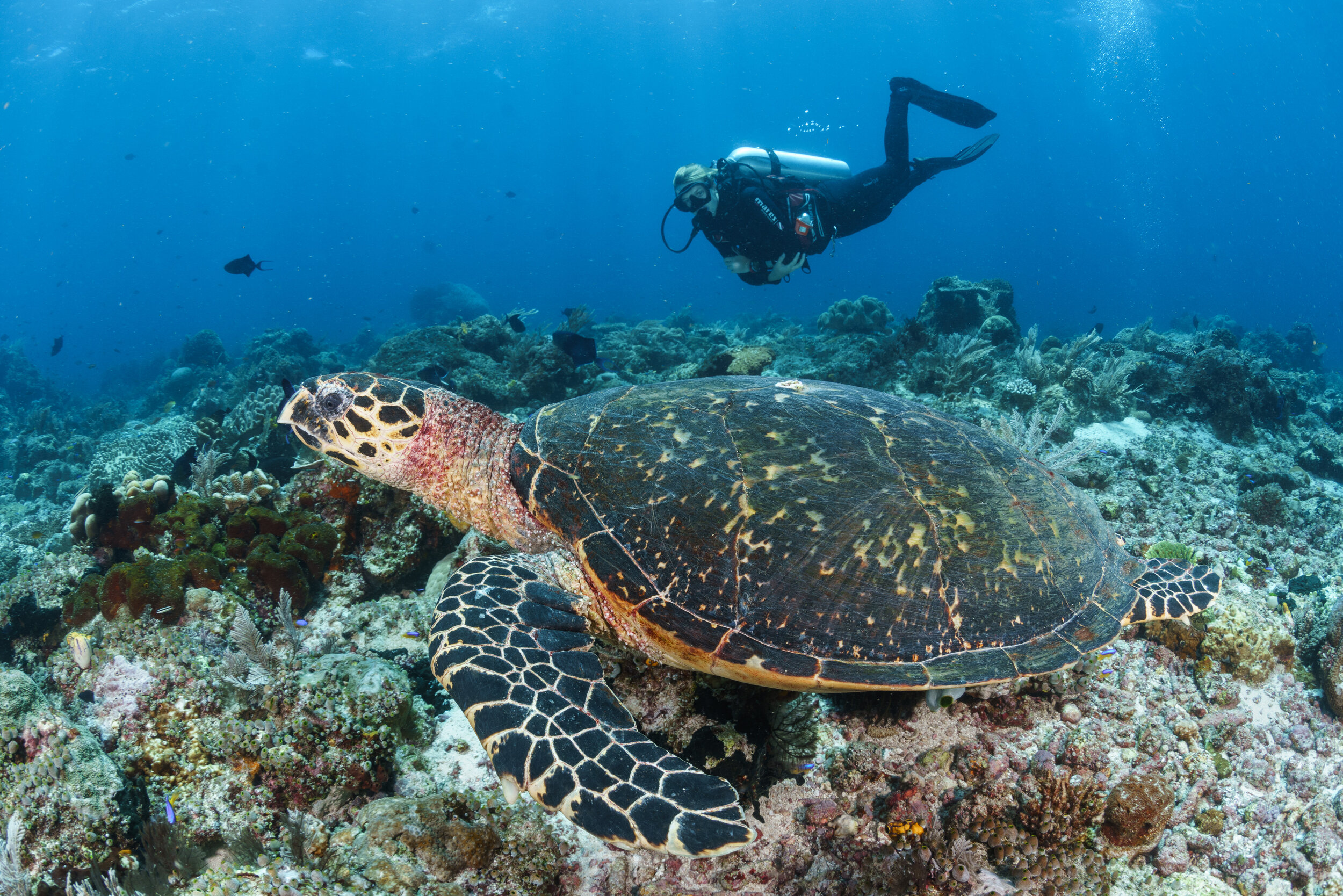
Tourism can “interrupt their natural behaviours, causing injury and stress” and increase animal energy expenditure avoiding vessels during feeding or rest periods. Mass tourism generates underwater noise disruption.
Tourism’s Conservation Benefits
The key question is “whether wildlife are receiving a tangible benefit from tourism activities.” Ethical tourism should involve operator investment in conservation programs and species protection. Positive tourist behavioral changes offer additional value.
Ethical Wildlife Interaction
For whale sharks and manta rays, I recommend seeking “places where the wildlife are being observed without interfering with their natural behaviours, and where the operators are partnering in or leading their own conservation and research efforts.”